
Antiques
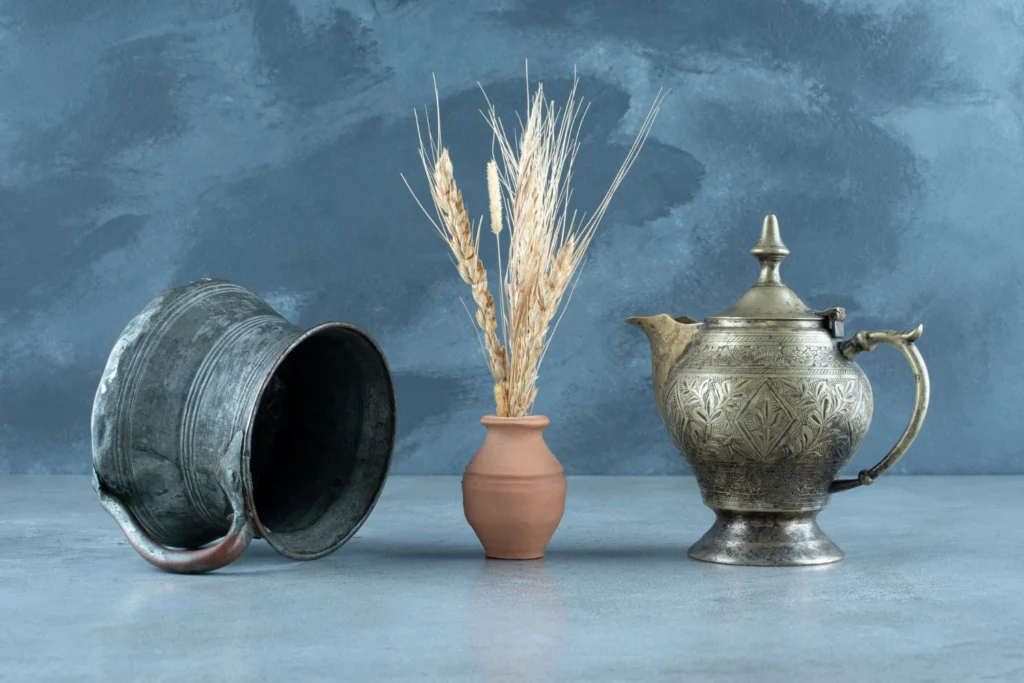
You uncover fascinating stories when you study antiques. These objects connect us directly to the daily lives of past generations. Students and collectors alike find endless inspiration in these historical pieces.
Furniture And Home Decor
Craftsmanship defined early furniture production. Builders used solid wood and traditional joinery techniques to create lasting pieces. You can identify specific eras by studying these construction methods.
Vintage Timepieces And Clocks
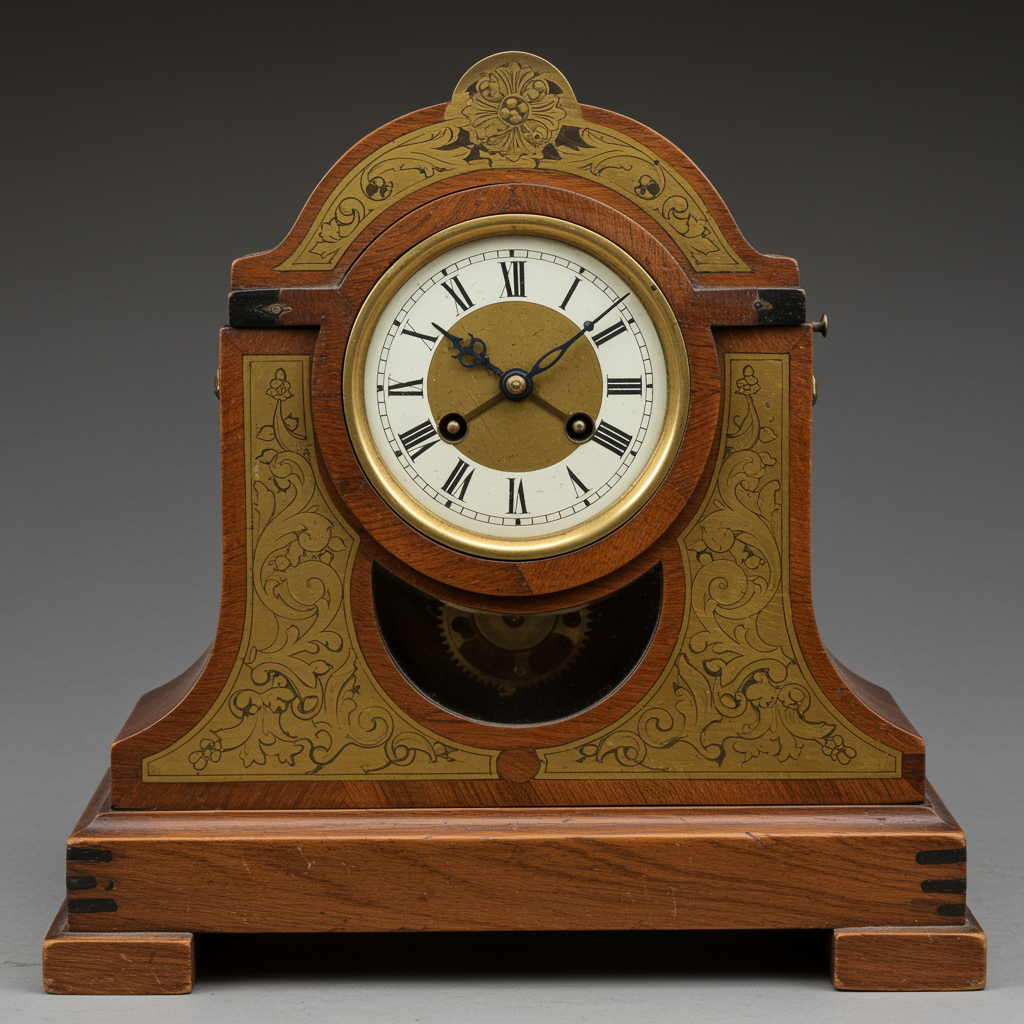
Clockmakers combined art with precision engineering. Early pocket watches and grandfather clocks feature intricate mechanical movements. These timepieces show how technology evolved through the centuries.
Ceramics And Fine Pottery
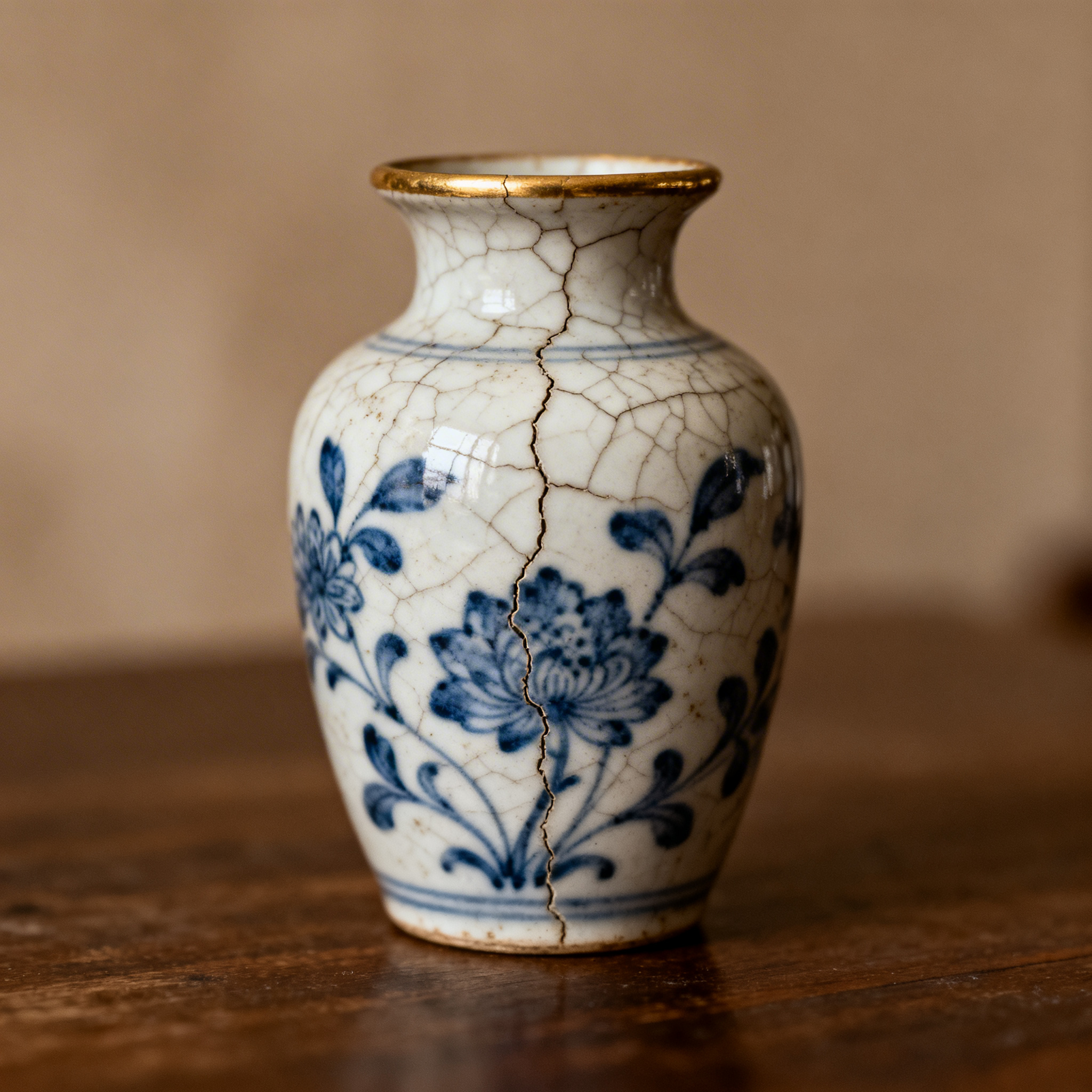
Artisans molded clay into functional and decorative objects. Different regions developed unique glazing and firing techniques. You trace cultural exchanges by analyzing these ceramic patterns.
Evaluating Historical Artifacts
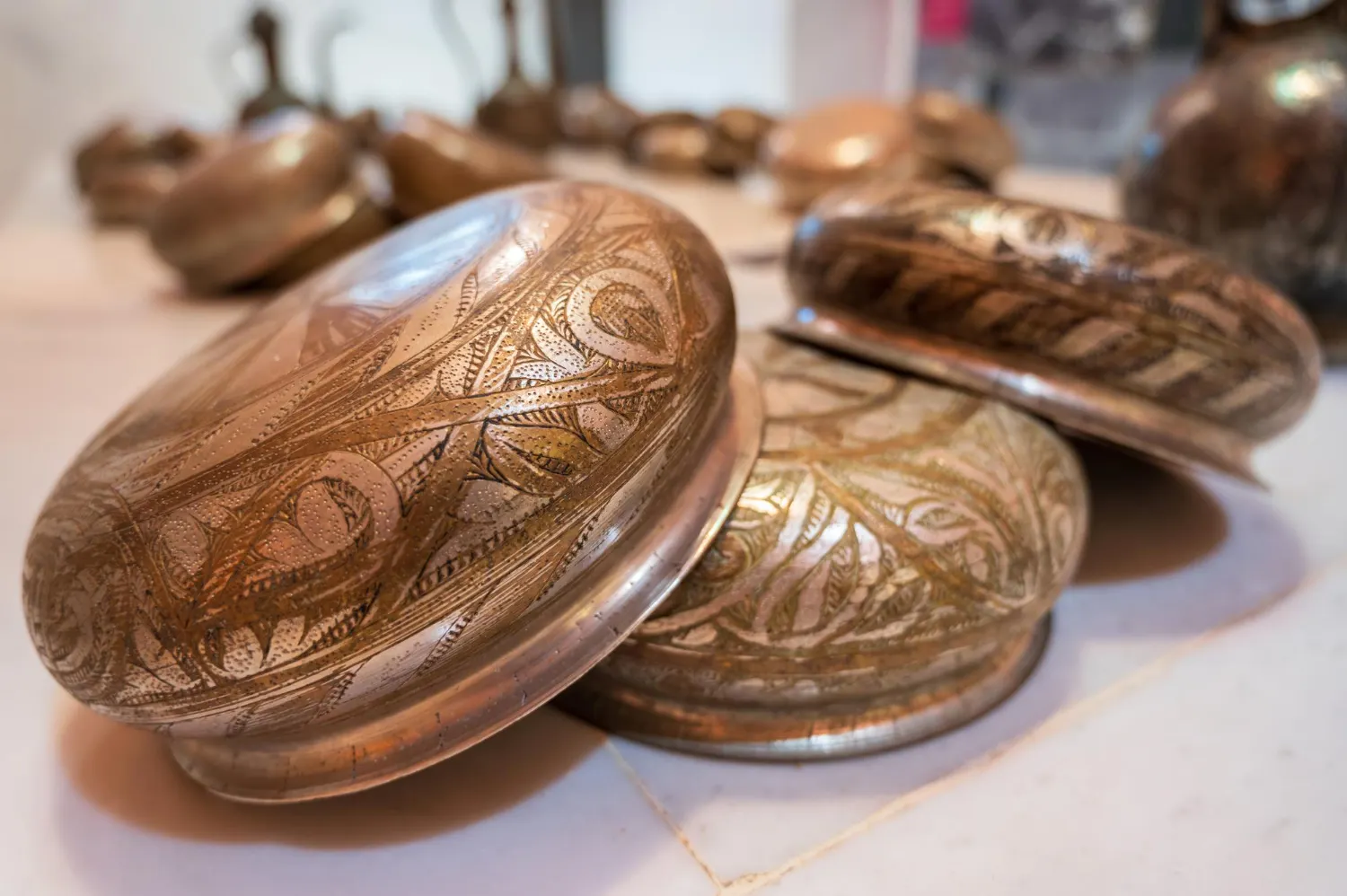
Condition plays a major role in studying old items. You look for original finishes and natural wear patterns to verify age. Alterations or modern repairs often change the historical value of an object.
Provenance provides a documented history of ownership. You track an item from its creator to its current location through receipts and letters. A clear history adds significant context to any historical piece.
Preservation And Care Techniques
Proper storage keeps historical items intact for future generations. You maintain stable temperature and humidity levels to prevent damage. Direct sunlight fades pigments and weakens organic materials over time.
Cleaning requires a gentle approach. You use soft brushes and mild solvents to remove surface dirt. Harsh chemicals destroy original patinas and erase important historical markers.
Learning Through Historical Objects
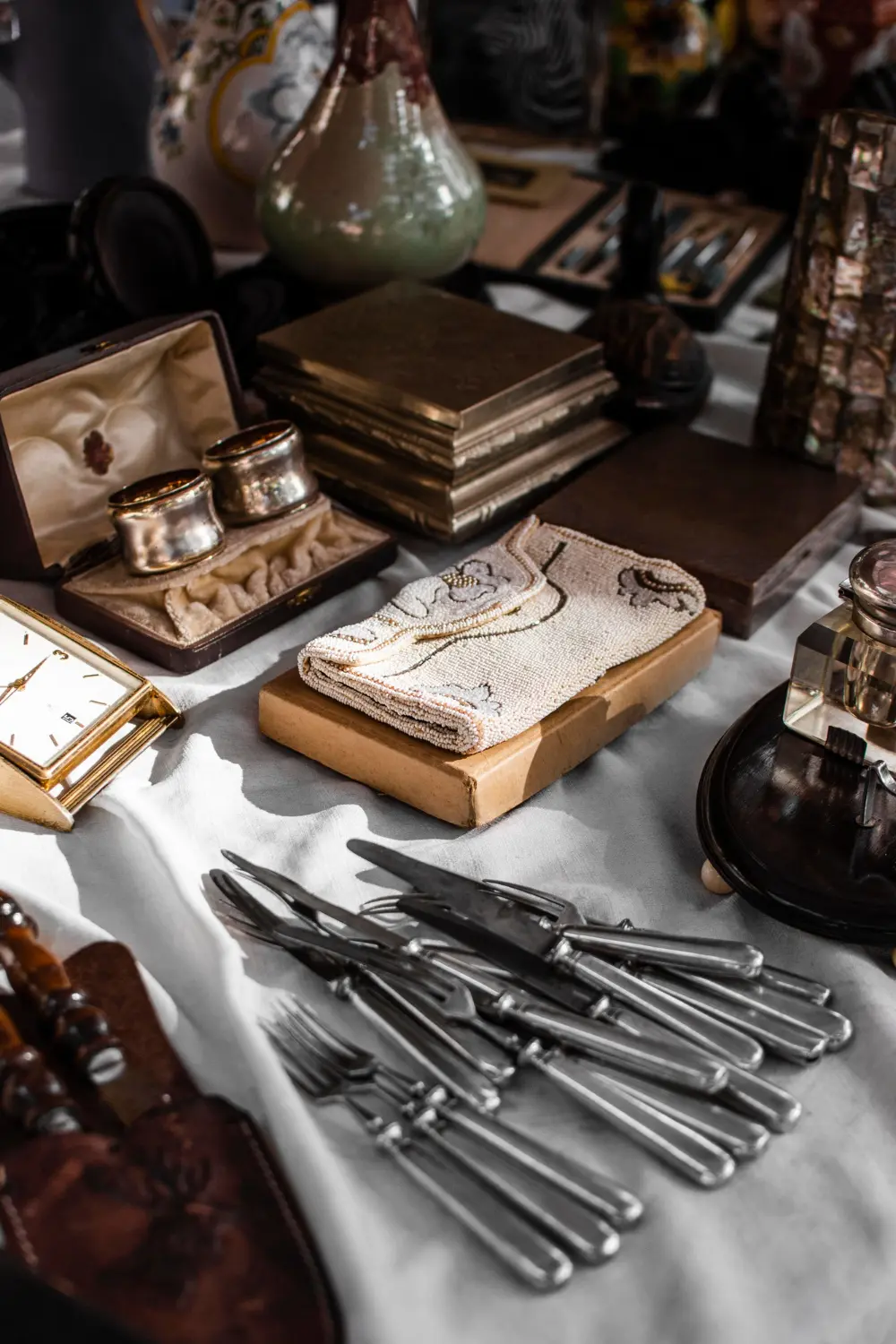
Every artifact serves as a primary source for historical research. Students analyze physical objects to understand societal norms and daily routines. Textbooks tell part of the story, but physical items offer a tangible connection.
Materials reflect the resources available during a specific period. Trade routes influenced what metals or woods artisans could access. You map economic shifts by studying the composition of everyday items.
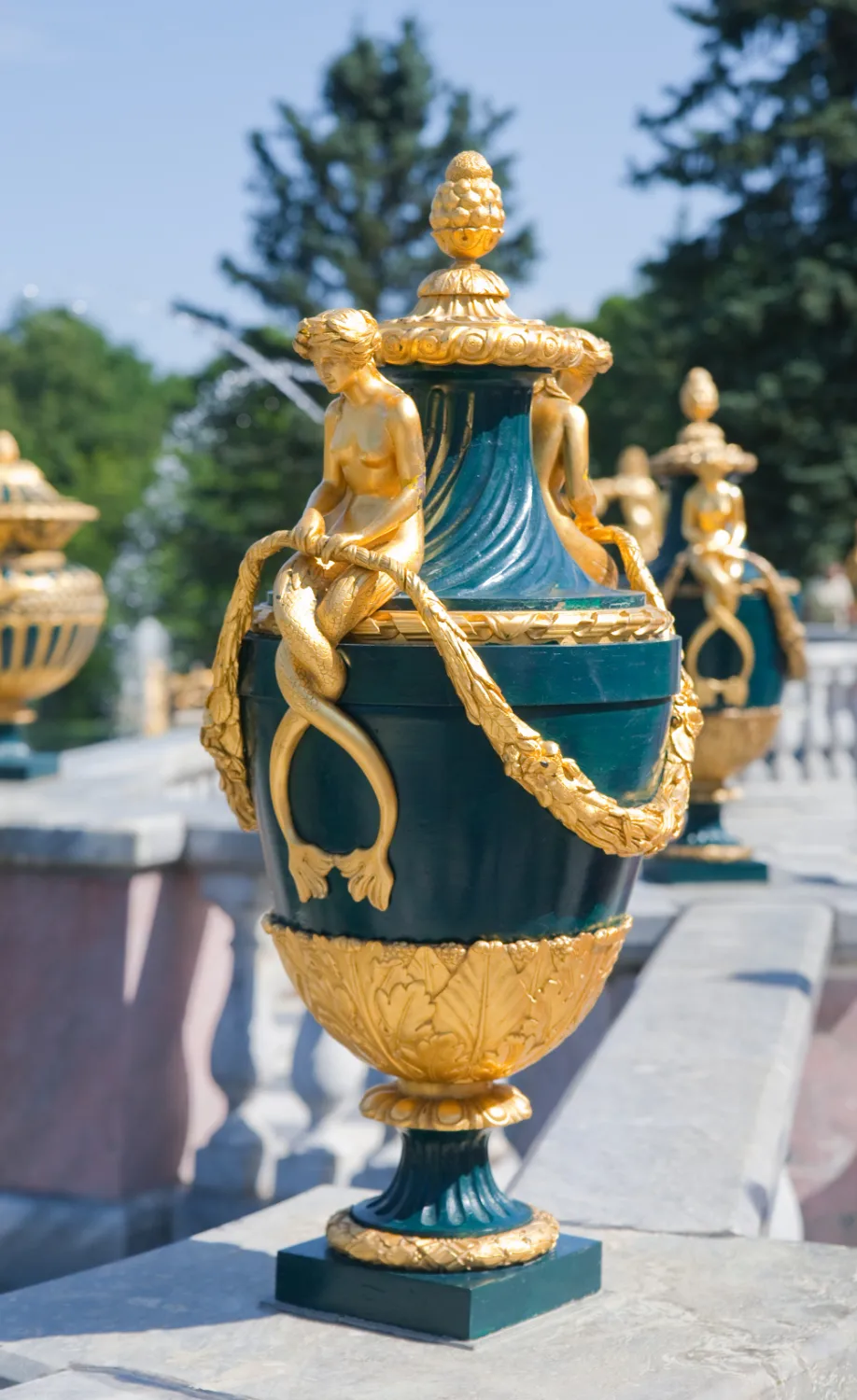
Design trends mirror the cultural values of their time. Ornate decorations often signal periods of wealth and prosperity. Simple, functional designs emerge during times of scarcity or conflict.
Antiques Events
Join The Heritage Community
We invite you to explore the rich history behind these everyday objects. You develop a deeper appreciation for human ingenuity by studying the past. Keep reading our guides to expand your knowledge of historical artifacts.
Students use essay services like https://studyfy.com/service/do-my-coursework to ensure their work meets institutional standards while maintaining originality and clarity.